

Tap a thumbnail to view it large
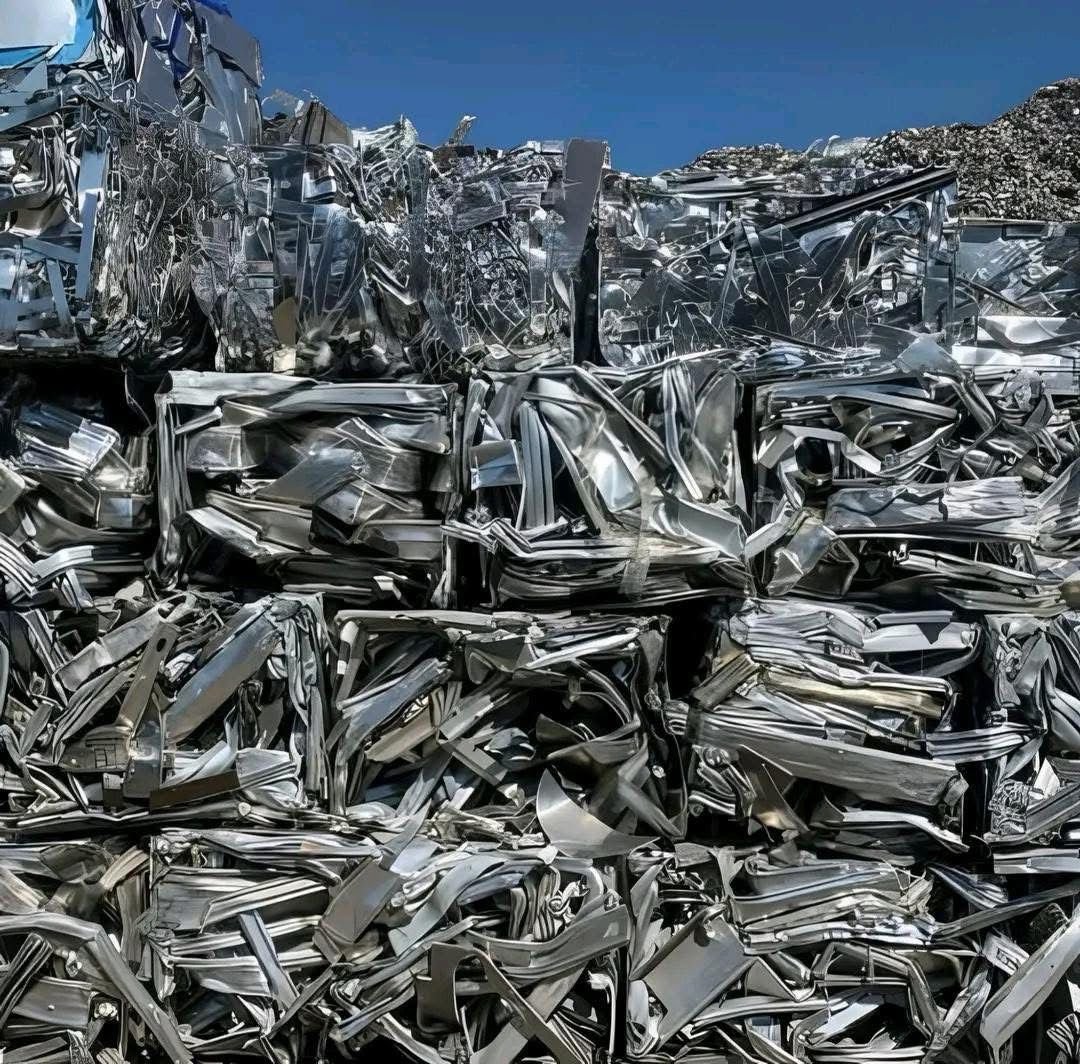
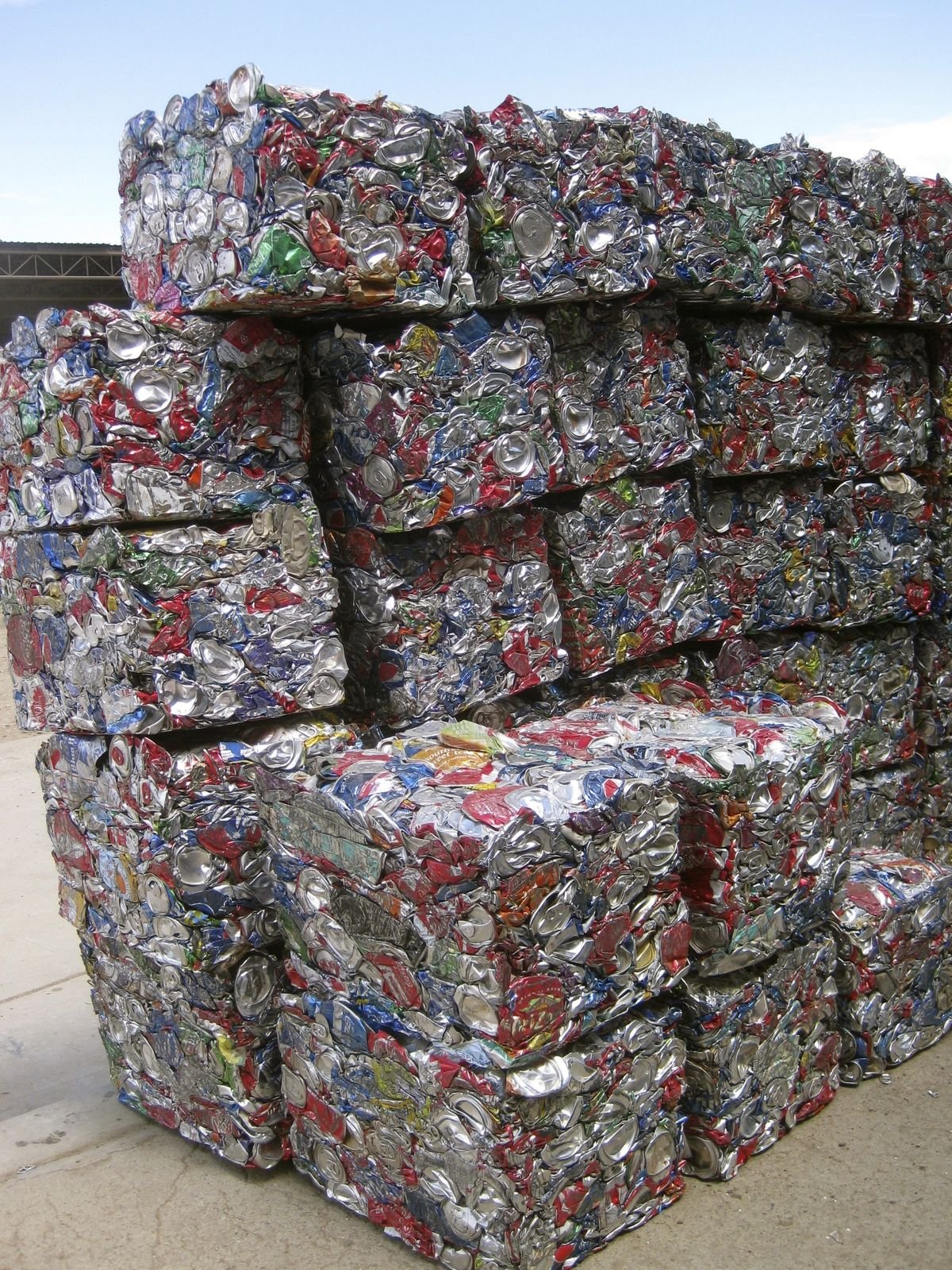
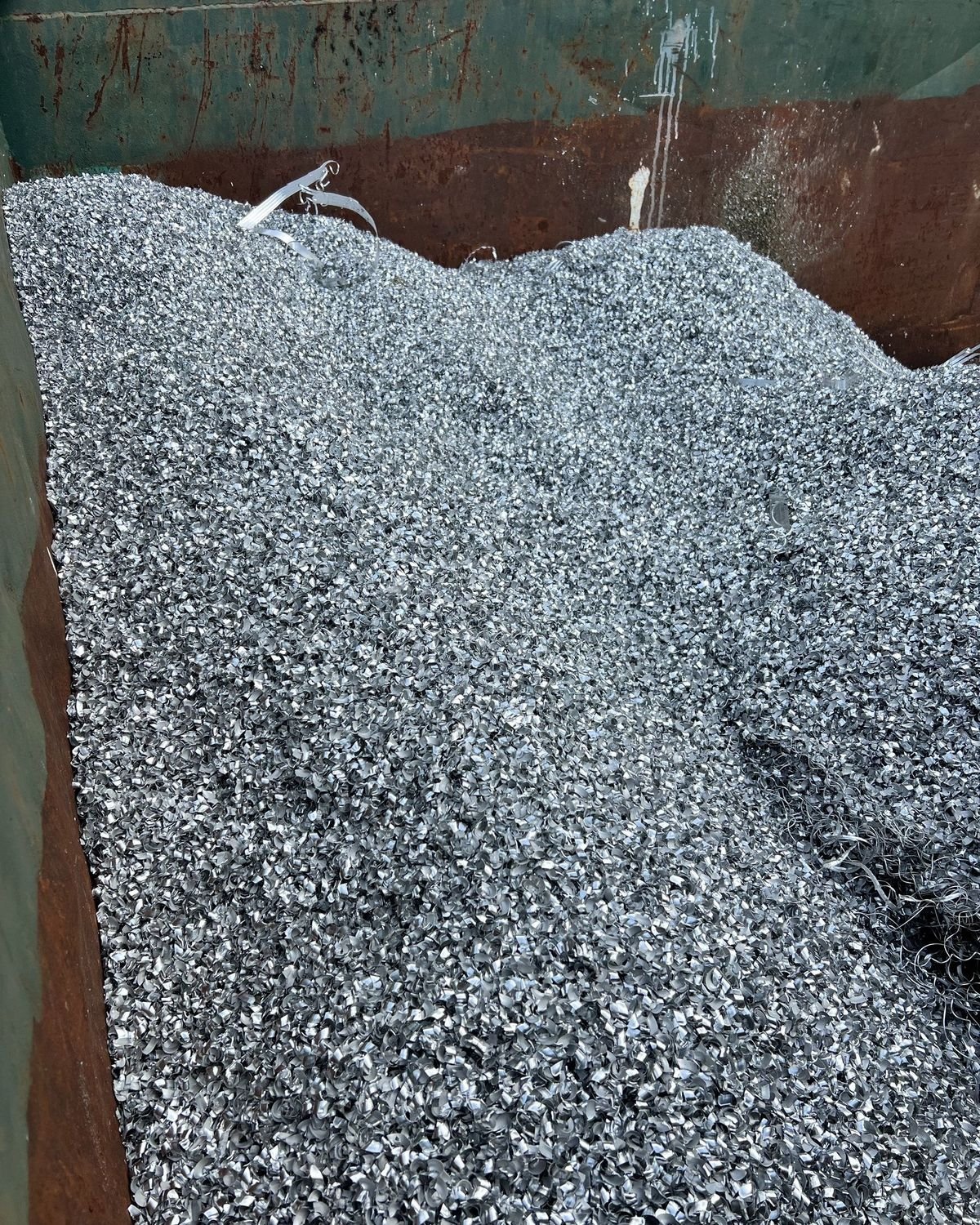
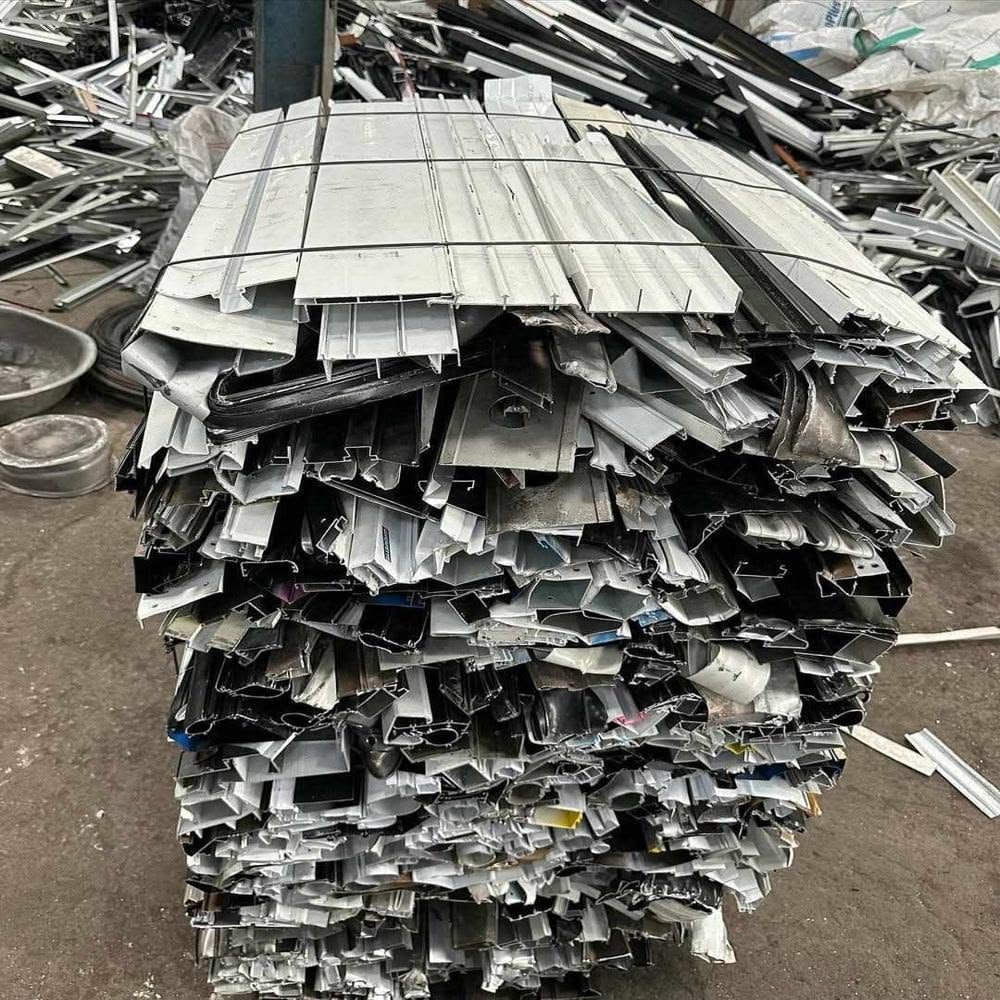
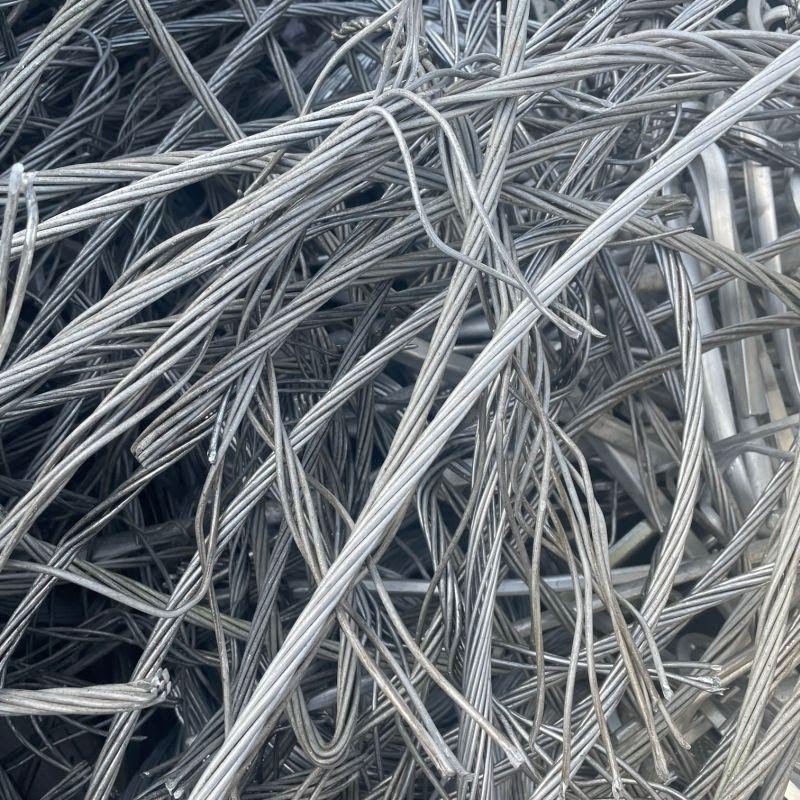
Two clean aluminum streams from one desk: moisture-controlled UBC bales for can sheet remelt, and XRF-verified 6063 extrusions for extrusion billet — kept strictly separate, never blended.
Pricing tracks LME aluminum and lot cleanliness.
Corporate Pricing Available Upon Request
| Material | Aluminum Scrap — UBC & 6063 Extrusions (separate streams) |
| UBC Grade | ISRI "Taint/Tabor" — used beverage cans, baled or loose |
| Extrusion Grade | ISRI "Talon" — clean 6063 (T5/T6) profiles |
| Extrusion Chemistry | Si 0.20–0.60 · Fe ≤ 0.35 · Cu ≤ 0.10 · Mg 0.45–0.90 · Al balance |
| Moisture | UBC ≤ 1% (drained & stored under cover) · extrusions ≤ 0.5% |
| Exclusions | No iron attachments in UBC · no thermal-break profiles, screws, or brass hardware in extrusions |
1 × 20ft Container (± 18–20 MT depending on stream)
UBC: dense bales 300–500 kg · Extrusions: steel-strapped bundles or bales.
200–500 MT per month across both streams.
Laem Chabang · FOB / CFR / CIF · SGS / BV inspection on request.
No — the two streams are graded, stored, and loaded separately. UBC buyers want can sheet chemistry; extrusion buyers want pure 6063 billet feed. Keeping them apart protects both melt profiles, and we can split a contract across containers.
Yes — the anodized layer is thin aluminum oxide and remelts cleanly. Powder-coated profiles are accepted only as declared lots so you can plan for coating burn-off.
Cans are drained, stored under cover, and baled only after a moisture check at ≤ 1%. You never pay can prices for water weight, and we support weight-adjustment clauses in the contract.